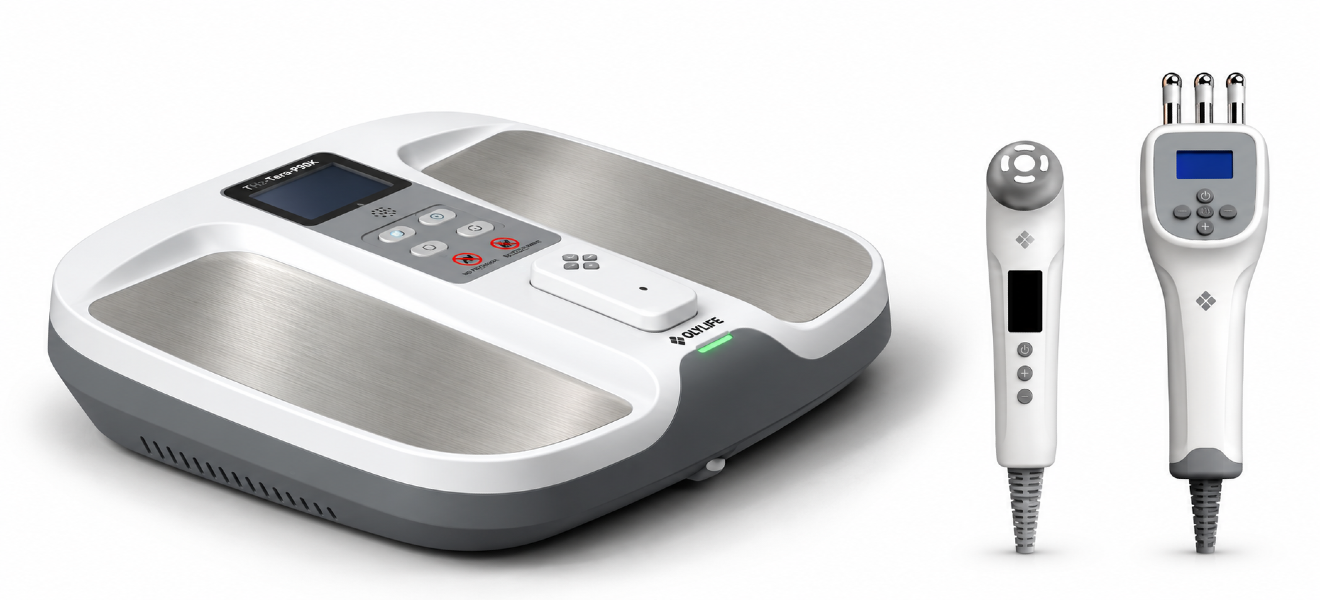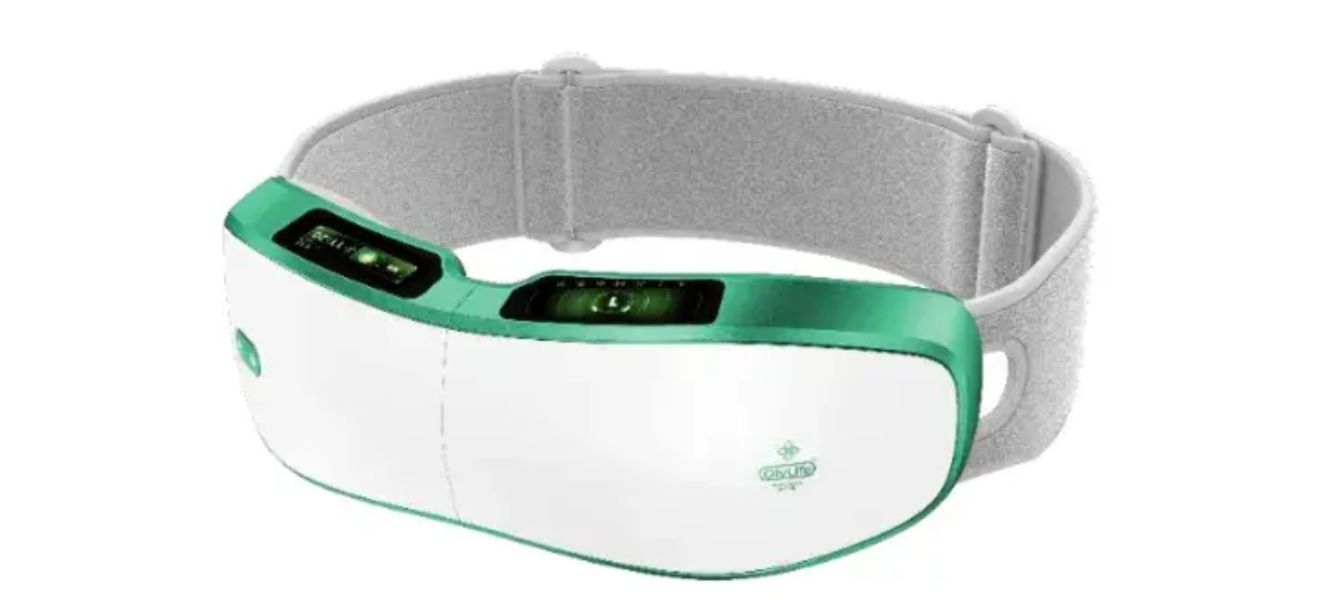
TENS is one of the oldest and most studied forms of electrical stimulation therapy on this site, with a clear, well-established mechanism and a genuinely large body of clinical research behind it. This page covers what TENS actually does, the two distinct mechanisms researchers have identified for how it works and an honest look at the evidence.
What is TENS?

TENS stands for transcutaneous electrical nerve stimulation. A TENS device delivers a mild electrical current through electrodes placed on the skin, targeting the sensory nerves beneath rather than the muscles themselves, with the specific aim of interrupting or reducing the perception of pain. This distinguishes it from EMS (electrical muscle stimulation), a related but mechanically different technology that targets motor nerves to directly contract muscle, which we cover in a separate article since the two are often confused despite working through different pathways.
TENS devices typically let the user adjust frequency, pulse width and intensity, Different combinations of these settings are understood to engage different underlying pain-relief mechanisms, described below.
A brief history
Electrical stimulation for pain relief has a long history: ancient physicians reportedly used contact with electric fish, most notably the torpedo ray, as a crude form of analgesia (ie. deadening the pain whilst still conscious). The modern scientific foundation for TENS arrived in 1965, when researchers Ronald Melzack and Patrick Wall published the gate control theory of pain, proposing a specific neurological mechanism by which non-painful sensory input could reduce the perception of pain. That theory gave electrical nerve stimulation a genuine scientific rationale for the first time. In the 1970s, neurosurgeon C. Norman Shealy developed the first modern TENS device built around it. TENS has been in continuous clinical and consumer use ever since, making it one of the more mature technologies covered on this site.
How does it work?
TENS is understood to relieve pain through two distinct mechanisms. The one that dominates depends largely on the frequency setting used.
Gate control (higher frequencies, roughly 90 to 130 Hz). This is the original mechanism described by Melzack and Wall. TENS at these settings activates large-diameter sensory nerve fibers which, in turn, stimulate inhibitory interneurons in the spinal cord. Those interneurons effectively “close a gate” that limits how much pain signal from smaller nerve fibers gets through to the brain, producing a relatively fast, localized reduction in pain perception, generally felt as a gentle tingling sensation.
Endogenous opioid release (lower frequencies, roughly 2 to 10 Hz). At these settings, sometimes called acupuncture-like TENS, the mechanism shifts. Lower-frequency stimulation is associated with increased levels of the body’s own opioid-like compounds, including endorphins and enkephalins. These are measured in the cerebrospinal fluid in research settings, along with engagement of descending inhibitory pathways from the brainstem. They in turn, release serotonin and norepinephrine to suppress pain signals further up the nervous system. This mode typically produces a more generalized, longer-lasting effect, though it comes with a stronger, more rhythmic muscle sensation than the higher-frequency gate control mode.
Many devices also offer a burst mode, alternating short high-frequency pulses at a low repetition rate, aiming to engage both mechanisms at once. Researchers have proposed that mixing frequencies during a session may help prevent the nervous system from adapting to the stimulation, a phenomenon that can otherwise reduce TENS’s effectiveness with repeated use. (See the Revitaluxe Massager which uses TENS and EMS together.)
Choosing settings and session length
Because TENS engages genuinely different mechanisms depending on frequency, matching the setting to what you’re trying to achieve matters more than it does for some other modalities on this site. For fast, localized relief during a flare-up, conventional high-frequency stimulation (roughly 90 to 130 Hz) with a narrow pulse width is the typical starting point. It’s usually well tolerated for sessions of around 30 minutes.
For a more generalized, longer-lasting effect, or for pain that hasn’t responded well to the higher-frequency mode, lower-frequency acupuncture-like stimulation (roughly 2 to 10 Hz) is the more commonly recommended option. This produces a stronger, more rhythmic muscle sensation and is typically used for shorter sessions of around 20 minutes or less.
Burst mode, which alternates high-frequency pulses at a low repetition rate to engage both mechanisms together, is often used in shorter sessions still. As with any electrical stimulation device, start at the lowest intensity that produces a noticeable sensation and increase gradually. Follow your specific device’s manufacturer guidance for electrode placement, since positioning relative to the painful area affects how well either mechanism engages.
What the research says
One of the strongest recent assessments is the 2022 Meta-TENS study, published in BMJ Open. Researchers reviewed 381 randomised controlled trials involving 24,532 adults, covering both acute and chronic pain. This is important because earlier reviews often examined individual conditions and contained relatively small numbers of patients. The Meta-TENS researchers found moderate-certainty evidence that pain was lower during or immediately after TENS treatment than with placebo TENS. The analysis comparing TENS with placebo included 91 trials and 4,841 participants. (Read more here https://bmjopen.bmj.com/content/12/2/e051073)
The review also found lower pain intensity when TENS was compared with other pharmacological and non-pharmacological treatments used as part of standard care, although the certainty of this evidence was rated low. Importantly, the beneficial effect was not confined to one particular type of pain: the researchers found that factors such as acute versus chronic pain and the underlying diagnosis did not significantly alter the overall effect. Serious adverse events were not identified, although reporting of adverse effects was incomplete in many studies. (Read more here https://pubmed.ncbi.nlm.nih.gov/35144946/)
There is also evidence relating to particular conditions. A 2024 systematic review and meta-analysis of TENS for fibromyalgia examined 12 studies involving 944 patients. It found statistically significant improvements in pain, disability and the physical component of quality of life. The researchers concluded that TENS was effective in reducing pain and disability in people with fibromyalgia. (Read more here https://pubmed.ncbi.nlm.nih.gov/38511391/)
Research into acute pain has also produced encouraging, although less certain, results. A Cochrane review found that TENS performed better than placebo TENS for reducing acute pain intensity in the studies that could be combined statistically. However, the reviewers considered the evidence moderate to low quality because many trials were small and adequate blinding is difficult when patients can feel electrical stimulation. (Read more here https://www.cochrane.org/evidence/CD006142_transcutaneous-electrical-nerve-stimulation-tens-treat-acute-pain-adults)
Not every review has produced positive conclusions. For example, an earlier 2017 Cochrane review of TENS specifically for fibromyalgia found that the available studies were too small and inconsistent to establish effectiveness reliably. (Read more here https://www.cochrane.org/evidence/CD012172_tens-fibromyalgia-adults) The newer 2024 fibromyalgia analysis included substantially more participants and reported positive results. This illustrates how conclusions can change as additional clinical trials become available.
Overall, the evidence is strongest for a short-term reduction in pain while TENS is being used or immediately afterwards. The large Meta-TENS analysis provides moderate-certainty evidence for this effect across a broad range of painful conditions. Evidence is less certain about how large the benefit is for particular diseases and whether pain reduction persists long after treatment has stopped.
TENS therefore has a considerably larger clinical research base than many people realise. It should not be presented as a treatment that cures the underlying cause of pain, but there is substantial controlled-trial evidence supporting its use as a non-invasive method of temporary pain management, with serious adverse effects appearing uncommon.
Who should be cautious, and why
Pacemakers and implanted electronic medical devices. TENS is not recommended for anyone with a cardiac pacemaker or similar implanted electrical device, since the electrical current could potentially interfere with device function.
Active skin conditions or broken skin. Electrodes should not be placed over open wounds, rashes, or irritated skin.
Epilepsy. As with several other modalities on this site, anyone with a seizure disorder should consult their doctor before use, given the direct electrical stimulation involved.
Pregnancy. TENS has a long history of legitimate clinical use for labor pain specifically, under medical guidance, but electrode placement directly over the abdomen earlier in pregnancy is generally avoided; check with your doctor about appropriate use during pregnancy.
Placement precautions. Avoid placing electrodes over the eyes, the front or sides of the neck (near the carotid sinus), or directly over the heart.
As always, check with your doctor if any of the above applies to you, and follow your specific device’s manufacturer guidance for electrode placement and settings.
Frequently asked questions
Is TENS the same as EMS? No, though the two are frequently confused and sometimes built into the same device. TENS targets sensory nerves to reduce pain perception; EMS targets motor nerves to directly contract muscle for strengthening or rehabilitation purposes. See our companion article on EMS for that mechanism specifically.
Which frequency setting should I use? Higher frequencies (roughly 90 to 130 Hz) are generally used for faster, more localized relief via gate control, while lower frequencies (roughly 2 to 10 Hz) are associated with the endogenous opioid mechanism and a longer-lasting, more generalized effect. Many people find alternating between modes, or using a burst setting, works better over time than a single fixed setting, possibly because it helps prevent the nervous system from adapting.
Why might TENS stop working as well after repeated use? Some research suggests the nervous system can develop a degree of tolerance to a fixed TENS frequency over repeated sessions, similar in concept to how the body can adapt to other repeated stimuli. Varying the frequency or mode between sessions is a commonly suggested way to help address this.
Is TENS safe to use every day? For most healthy adults without the contraindications listed above, TENS has a strong long-term safety record, and the most common side effect reported in the literature is a mild skin reaction in a small percentage of users, generally attributed to the electrode adhesive rather than the electrical stimulation itself.
Can TENS be used alongside pain medication? TENS is generally used as a complement to, not a replacement for, whatever pain management approach your doctor has recommended, and it’s reasonable to use both together. Always check with your doctor about your specific situation, particularly if you’re managing a chronic condition with prescribed medication.
Where this fits alongside our other articles
TENS shares its electrical-stimulation foundation with EMS, though the two work through entirely different pathways, sensory nerves for pain relief versus motor nerves for muscle contraction, and it’s worth understanding both if you’re evaluating a device that combines them.
If you have questions about TENS or want to talk through how it might fit alongside the other approaches we cover, you can get in touch. In the Sydney area, we can book an appointment, visit your workplace or run a demo for you and your friends. Further away, we’re happy to talk it through on a Zoom call.