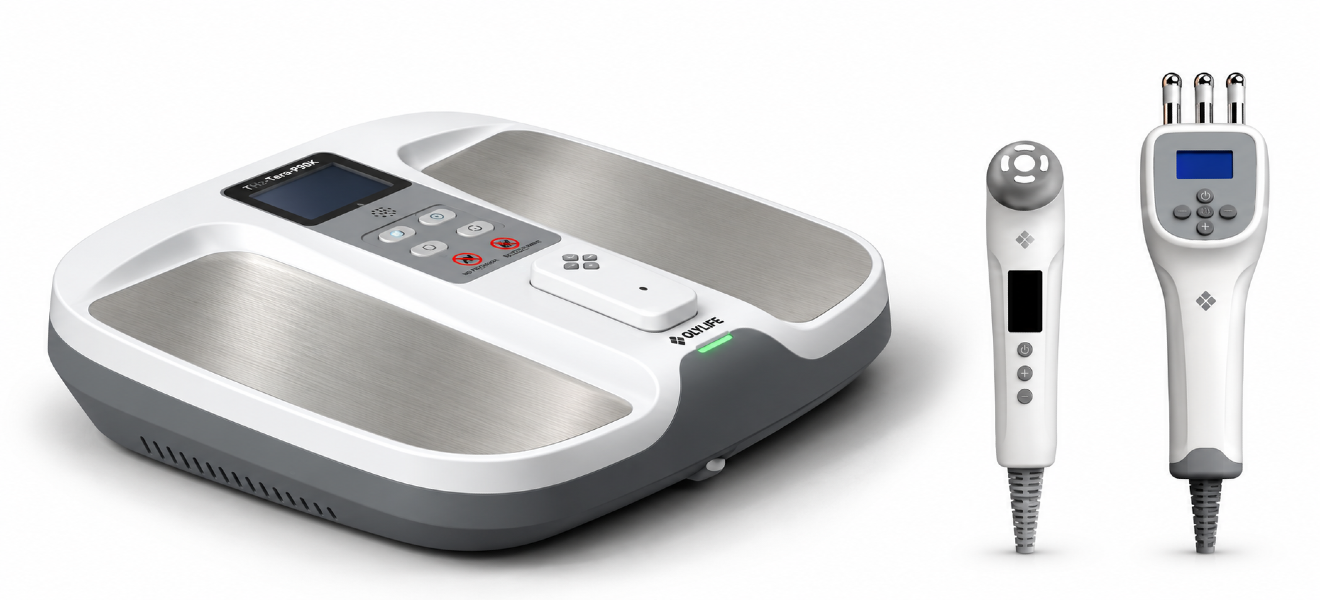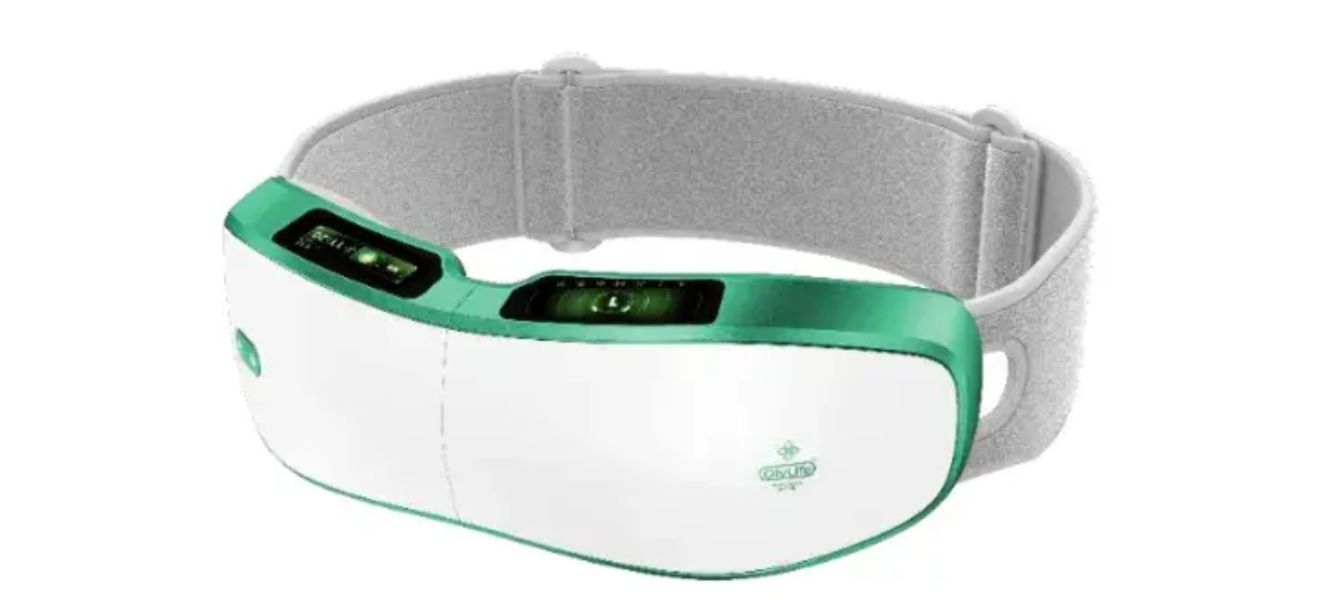
Static and rotating magnetic field therapy, sometimes marketed together with PEMF as “magnetic fusion,” is genuinely different from PEMF despite the shared word “magnetic.” Static magnets are simple, fixed magnets, the kind in a bracelet, insole, or wrap, or used in bio-magnetism. They don’t pulse or vary at all. Rotating magnetic field devices move a magnet mechanically rather than pulsing it electronically. This page covers what these two related technologies are, how they work in more detail, a little history and how it is used in modern times.
What is static and rotating magnetic field therapy?
A static magnetic field is exactly what it sounds like: a constant, unchanging magnetic field, produced by an ordinary permanent magnet, positioned against or near the body. A rotating magnetic field, by contrast, is produced by mechanically spinning a magnet (or an array of magnets) near the body, creating a field that changes direction and intensity as it rotates. Read on, there is more detail below.
Where the “magnet therapy” industry actually comes from
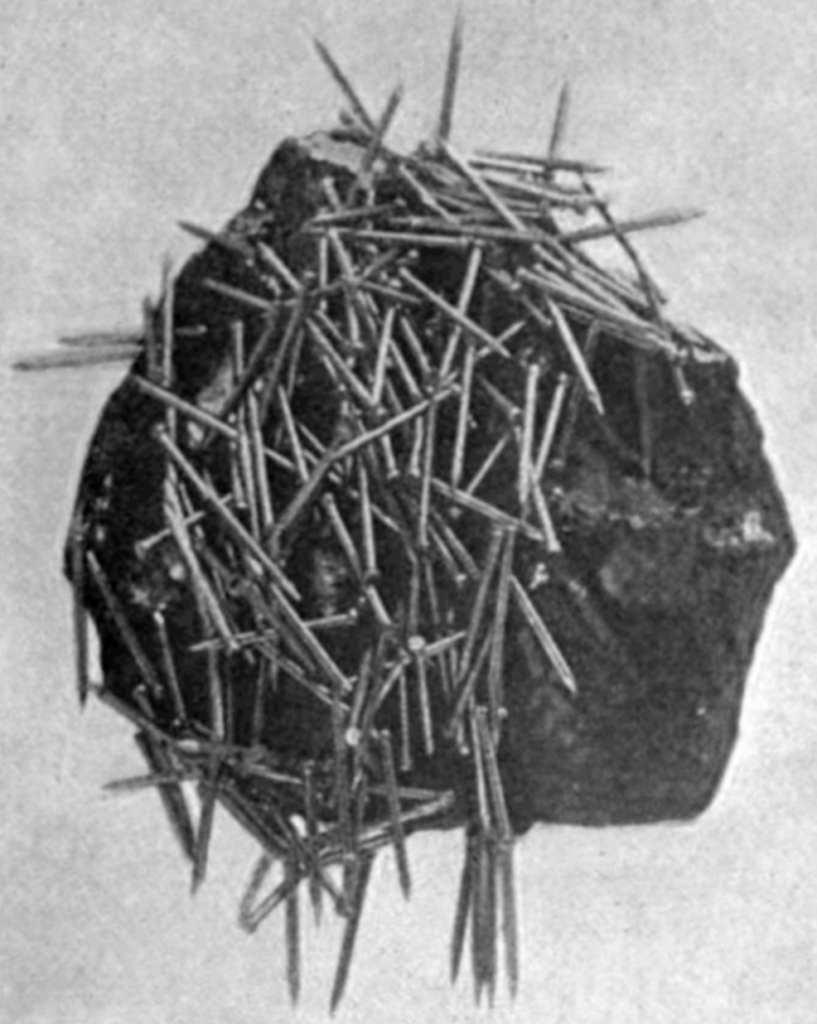
People have known the earth has a north pole and south pole for thousands of years. They have also learnt the power of magnets for healing. The first recorded name of a magnetic stone, that we know of, was called a “Lodestone”. The Chinese used the power of lodestones for divination and to help heal disease over 5000 years ago.
In the Western world, the first recorded discovery was made by a Greek shepherd named Magnes around 500BC. He found that the iron tip of his shepherd’s staff would stick to certain rocks. The rocks were named Magnetite, though we are unsure if they were named after the shepherd or after the area of Greece where they may have been found, Magnesia.
Cleopatra, Queen of Egypt (approximately 70BC-30BC) was known for wearing a small magnet around her neck to help retain her health and youthful appearance.
Arab scholars discovered in the Middle Ages that they could rub a piece of iron against magnetite and it would magnetise the iron. This was the first mention of a magnet being “created” rather than just dug out of the ground.
The Chinese later discovered magnetite could be hung from a piece of string and it would point north and south due to the earth’s magnetic field. This was developed into what we now use as a compass and it revolutionised exploration.
Paracelsus

Theophrastus von Hohenheim, better known as Paracelsus (ca. 1493–1541) was a Swiss Physician and Alchemist. As a boy, he attended Bergschule in Austria where he learnt about the chemical properties of metals (a great start to his exploration of magnets.) He travelled widely throughout the world and attended many universities. He wrote “The universities do not teach all things, so a doctor must seek out old wives, gypsies, sorcerers, wandering tribes, old robbers and such outlaws and take lessons from them. A doctor must be a traveller.…Knowledge is experience.”
Paracelsus used many alternate modalities to heal his patients including “magic” and metaphysics. In the context of this article, he used magnets to successfully treat the cause of seizures and many other illnesses that, at the time, had no other cure. Read more about him here.
Mesmer
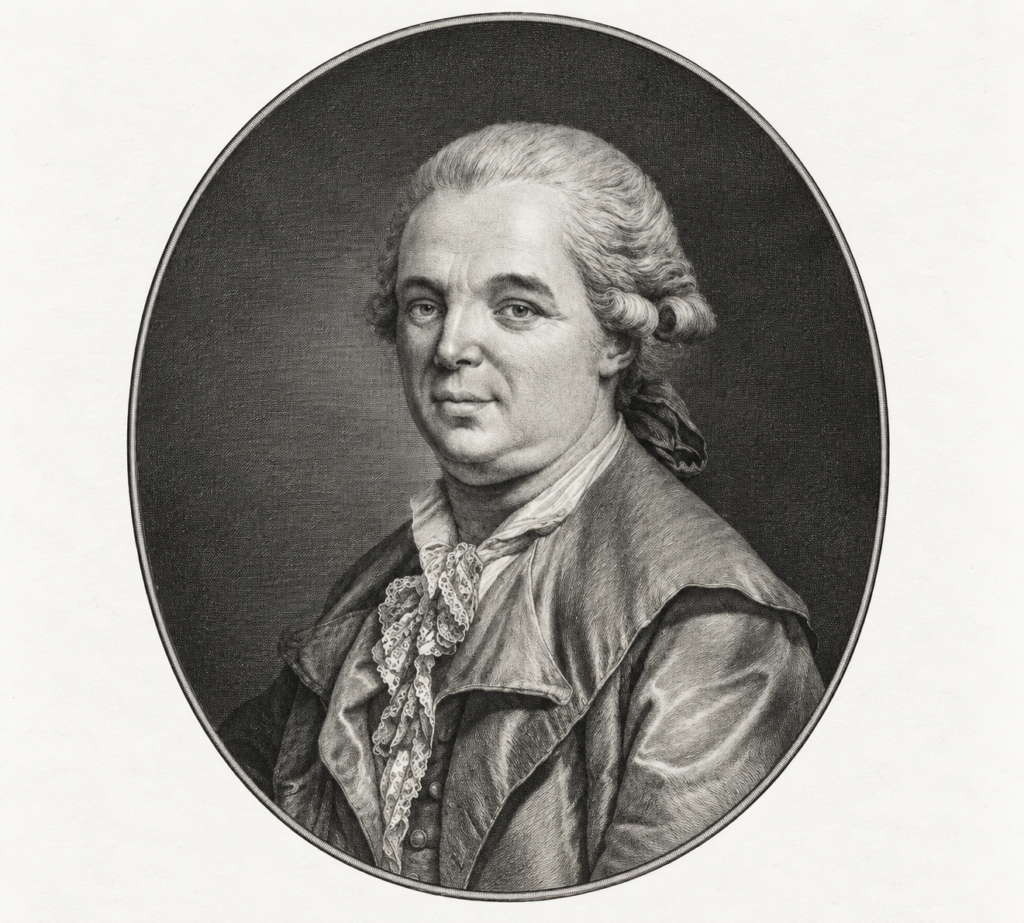
Franz Anton Mesmer, an 18th-century German physician, began his practice in the 1770s by literally applying magnets to patients’ bodies, claiming they could redirect an invisible healing fluid he called “animal magnetism.” As with Paracelsus, the medical profession were very much against his unusual practices. In 1784, King Louis XVI commissioned two French royal investigations into Mesmer’s claims, staffed by some of the era’s most respected scientists. The commissions concluded that no magnetic fluid existed and that any effects patients experienced came from imagination. The “Mesmer” movement started to fade after these investigations but Mesmer still achieved a close rapport with patients for the healing work he did, particularly for nervous disorders. His work is best known for beginning the legitimate application of hypnotism.
Modern times
In South America, bio-magnetism is still common treatment in hospitals and private clinics. However, it has been largely rejected by the medical Western World. At the time of writing this article, you are unlikely to find magnets in the inventory of a western world doctor. Here, static magnet products are sold today primarily as bracelets, insoles and wraps. The world is changing fast, however, and magnets are just starting to be introduced via practitioners in private clinics for those who are still looking for a solution to their ailments.
How do Static and Rotating Magnets work?
Static magnets are permanent magnets that remain stationary while they are placed on or close to the body. They produce a continuous magnetic field around them. The strength of this field is greatest close to the magnet and decreases rapidly with distance.
When a static magnet is placed against the body, its magnetic field passes through the skin and underlying tissues. Human tissue contains electrically charged particles and molecules that can interact with magnetic fields, although the biological effects produced by ordinary therapeutic static magnets are generally small. Static magnets have been used in complementary therapies with the aim of supporting circulation, reducing discomfort and influencing local biological processes.
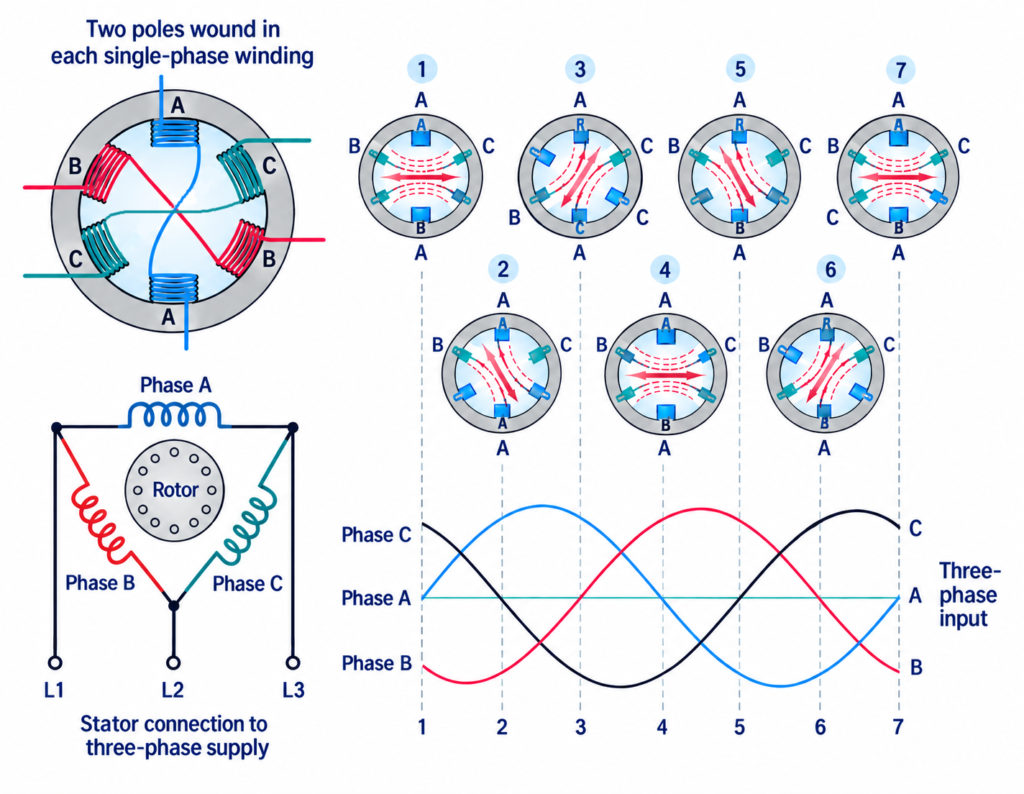
Rotating magnets use permanent magnets too, but instead of remaining still, the magnets are mechanically rotated. This creates a very different exposure. As the magnet turns, the direction and often the strength of the magnetic field experienced at a particular point in the body continually changes.
A changing magnetic field can also induce small electrical fields in electrically conductive material, including body tissues. The speed of rotation, strength and arrangement of the magnets, distance from the body and number of magnetic poles all influence the resulting field.
This means that static and rotating magnets should not be regarded as the same therapy. A static magnet provides a steady magnetic field, whereas a rotating magnet exposes the body to a continuously changing magnetic field. Research is continuing into how these different forms of magnetic exposure may interact with cells, nerves, circulation and other biological processes.
Magnets in Latin American Medical Biomagnetism
The medical use of magnets in Latin America from the mid-twentieth century onward developed through several overlapping traditions. These included conventional research into biological responses to magnetic fields, rehabilitation medicine using magnetotherapy, and later complementary systems such as Mexican Biomagnetismo Médico. An important distinction is between stationary permanent magnets, which expose tissue to an essentially static magnetic field, and rotating permanent magnets, in which mechanical movement causes the magnetic field experienced by the tissue to vary with time.
Cuba was particularly active in the Latin American study of magnetotherapy. Cuban medical literature describes a history of clinical and experimental interest in magnetic fields extending through the second half of the twentieth century. Juan Daniel Zayas Guillot’s review, published in the Revista Cubana de Medicina General Integral in 2002, surveyed the historical development of magnetotherapy, its application in Cuba, medical specialties in which it had been used, international research and patents. (Read: the article / record)
Cuban researchers have also emphasised that very different technologies have often been placed under the general heading of “magnetotherapy.” In a historical examination of magnetic medicine in Cuba, physicist Arnaldo González Arias distinguished magnetotherapy employing permanent magnets or DC-powered electromagnets, producing static fields, from therapies employing time-varying electromagnetic fields. (Read the paper) He argued that these should not be regarded as physically equivalent treatments because their interactions with biological material differ.
Stationary permanent magnets are the simplest form. A permanent magnet placed against or near the body produces a field that remains essentially constant unless either the magnet or patient moves. Such magnets have been incorporated internationally into pads, belts, mattresses, shoes, bracelets and devices positioned over painful or injured areas. Latin American magnetotherapy likewise developed applications in rehabilitation and complementary medicine.
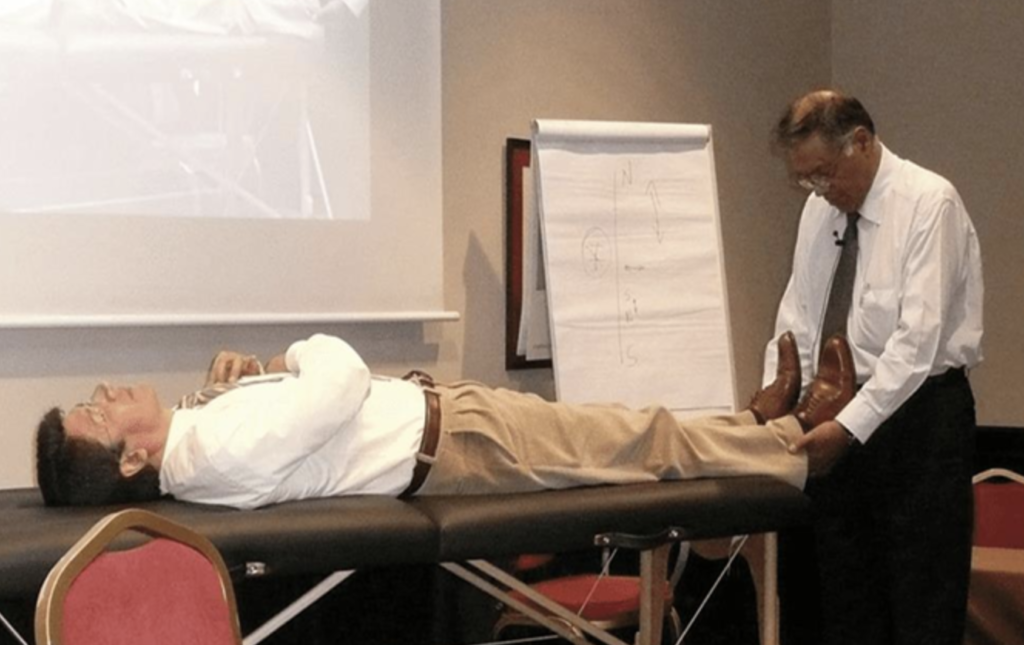
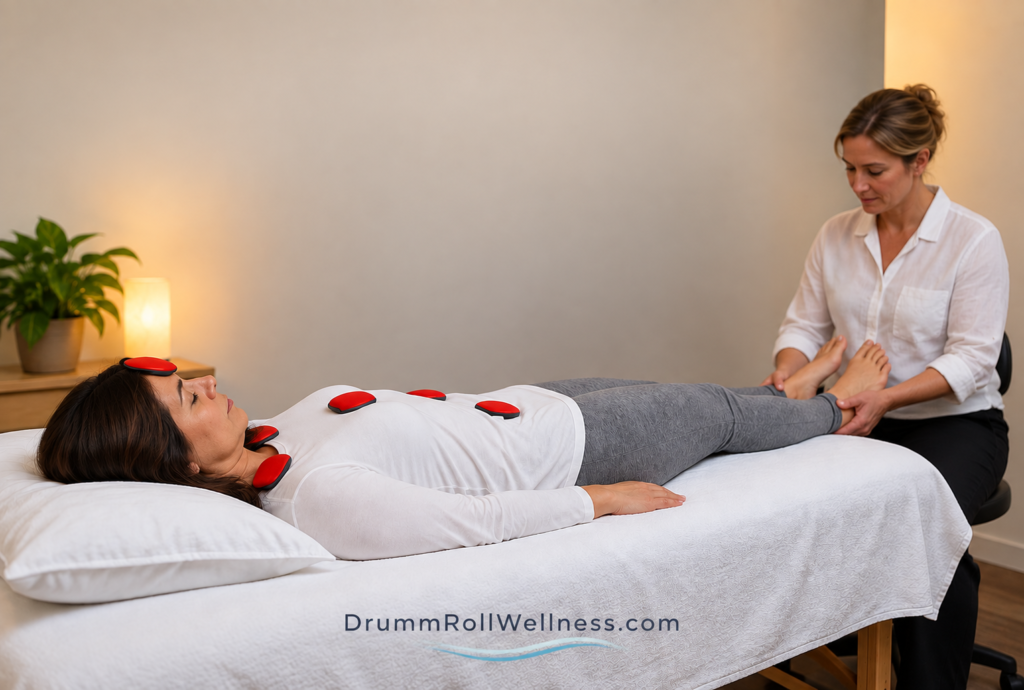
A particularly influential Latin American development occurred in Mexico in 1988, when Isaac Goiz Durán developed the system known as the Par Biomagnético (Biomagnetic Pair). Unlike electrically generated PEMF, this method uses stationary permanent magnets placed at specific paired anatomical locations. The Escuela Superior de Biomagnetismo Médico describes the method explicitly as the application of static magnetic fields to selected areas of the body. (Read his overview in Spanish Par Biomagnético overview)
Goiz proposed that particular pairs of anatomical points were associated with pathological disturbances and that magnets of opposite polarity could be applied to them to restore biological equilibrium. The method subsequently spread through Mexico and into South America and the wider Spanish-speaking world. In contemporary Biomagnetic Pair practice, magnets commonly in the range of approximately 1,000 gauss or greater are placed over selected body sites, usually after a form of kinesiological assessment or “scanning.” (Read his description in Spanish here Goiz Association description)
The theory developed by Goiz went considerably further than simply proposing pain relief. It associated magnetic polarity with changes in local acidity and alkalinity and proposed that paired magnets could help normalise tissue pH and alter conditions associated with microorganisms. These remain claims of the Biomagnetic Pair system rather than established biomedical mechanisms.
Read in English: Pittler, M. H., Brown, E. M. & Ernst, E. “Static magnets for reducing pain: systematic review and meta-analysis of randomized trials.” CMAJ, 2007.
Full article
Important independent assessment of clinical evidence concerning stationary permanent magnets.
Rotating permanent magnets
A second and physically different approach involves mechanically rotating permanent magnets. Here a motor rotates one or more permanent magnets close to the body. Although no electrical current is required to create the magnet’s field, rotation means that the magnitude and/or direction of the magnetic field at a fixed point in the tissue changes repeatedly.
This distinction is important. A stationary neodymium or ferrite magnet provides a static field. Rotate the same magnet and the patient can experience an oscillating or rotating magnetic field. According to Faraday’s law, a magnetic field changing with time can also induce an electric field in conductive tissue. Consequently, rotating-magnet therapy cannot automatically be assumed to have the same biological characteristics as conventional static-magnet therapy.
Rotating permanent magnets are now receiving renewed biomedical research attention internationally. Recent work on rotating permanent magnet stimulation has demonstrated that rotation can induce measurable electric fields, with their strength dependent upon magnet strength, geometry, number of magnetic poles and rotational speed. Rotating permanent-magnet systems are being investigated experimentally for neurological and psychiatric applications, while pilot clinical research has explored transcranial rotating permanent-magnet stimulation in neurological disorders.
Laboratory research has also examined spinning permanent magnets producing oscillating magnetic fields in relation to cancer-cell metabolism and mitochondrial function. Such experiments have reported biological effects under particular field strengths, frequencies and exposure patterns. These findings are scientifically interesting, but laboratory effects should not be interpreted as evidence that commercial rotating-magnet devices can treat cancer or other diseases.
The Latin American story of magnetic medicine therefore contains several distinct strands. Cuba developed a significant research and clinical tradition surrounding magnetotherapy and electromagnetic fields. Mexico became internationally influential through Goiz’s static-magnet Biomagnetic Pair method, which subsequently spread through much of Latin America. Rotating permanent magnets represent another category: they use permanent magnets, but rotation transforms the exposure into a time-varying magnetic field and can produce induced electrical fields in tissue. Their proposed medical applications therefore deserve to be considered separately from both traditional static biomagnetism and coil-generated PEMF.
Bibliography and further reading
Gokce, S. K. et al. — “Rotating Magnetic Fields Inhibit Mitochondrial Respiration, Promote Oxidative Stress and Produce Loss of Mitochondrial Integrity in Cancer Cells.” — English.
PubMed record
Laboratory research into oscillating magnetic fields generated using spinning permanent magnets; relevant to possible biological mechanisms but not evidence of established clinical cancer treatment.
Mesa Torres, L., Bordelois Cayamo, A. A. & Garcia Rodriguez, J. L. — “Magnetic bed for the treatment of different somatic diseases: design and simulation.” 2023. — English; authors/institutions in Cuba.
Read the article
A more recent example demonstrating the continuing Cuban research interest in therapeutic magnetic-field technology.
Who should be cautious and why
Pacemakers and implanted electronic medical devices. Magnets, static or rotating, should be kept away from cardiac pacemakers, implanted defibrillators, insulin pumps, and similar devices, since a strong enough magnetic field can interfere with how these devices function.
Pregnancy. As with several other modalities on this site, magnetic field exposure hasn’t been specifically studied for safety during pregnancy in a way that would let us make a clear statement either way, so a cautious, doctor-guided approach is reasonable if this applies to you.
Magnetic storage media and electronics. A practical rather than medical caution: keep strong magnets away from credit cards, medical implant programming devices, and sensitive electronics, which can be affected by close, prolonged exposure.
As always, check with your doctor if any of the above applies to you.
Where this fits alongside our other articles
Static and rotating magnetic fields are worth reading about alongside PEMF, since the two are often marketed together despite being genuinely different technologies with different evidence bases, and alongside Grounding & Earthing, which proposes a different mechanism again, direct electron transfer from the earth rather than an external magnetic field.
If you have questions about static or rotating magnetic fields or want to talk through how they compare to the other approaches we cover, you can get in touch. In the Sydney area, we can book an appointment, visit your workplace or run a demo for you and your friends. Further away, we’re happy to talk it through on a Zoom call.