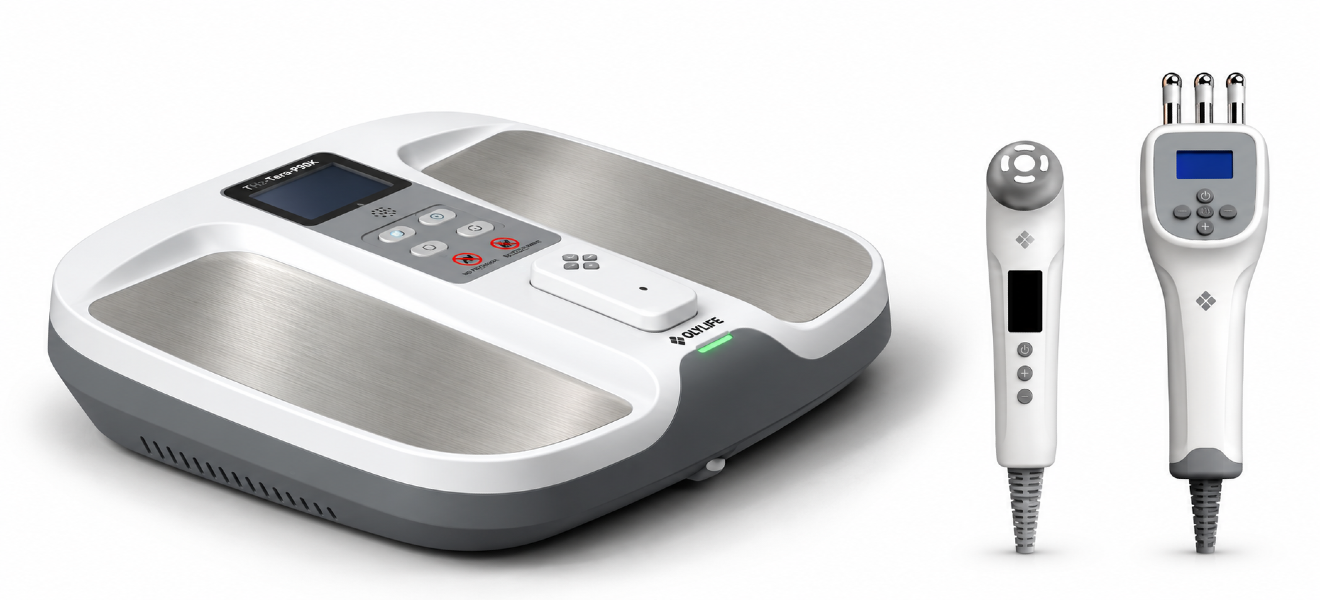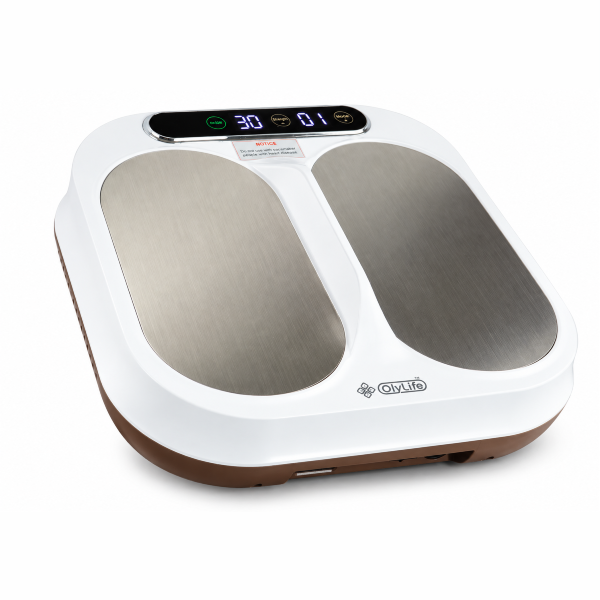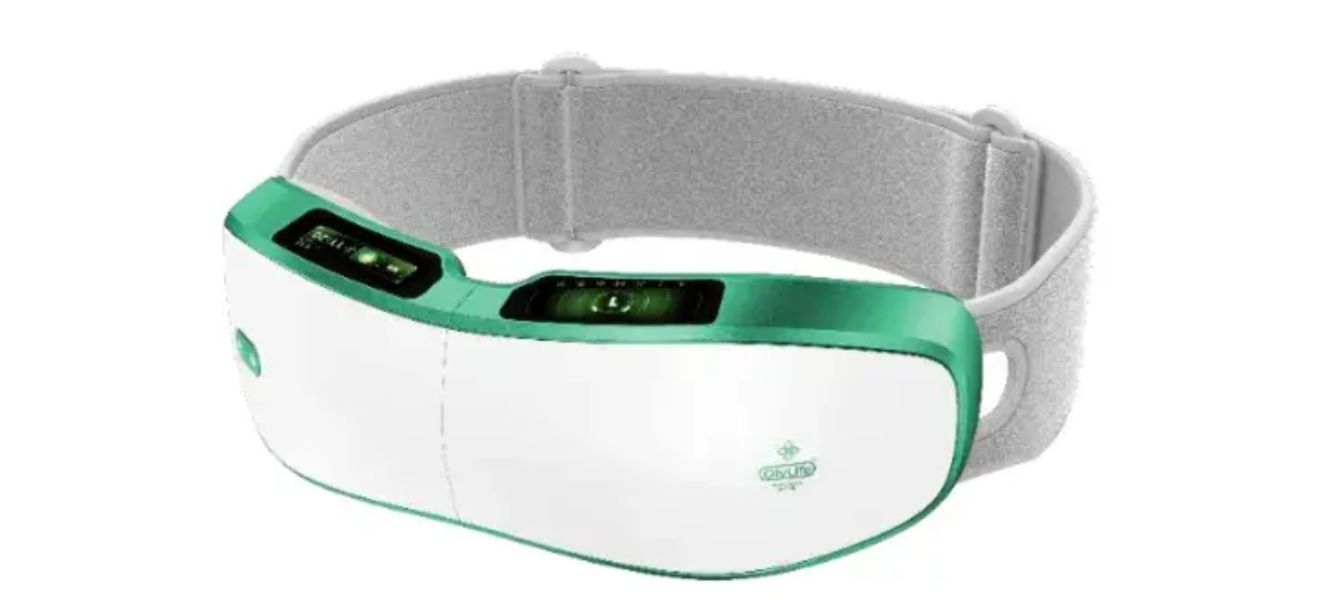
PEMF stands for pulsed electromagnetic field. Doctors have used PEMF therapy since the 1970s to accelerate the healing of broken bones, increase bone density, reduce pain, inflammation and swelling. Today, people also use it at home for sore joints, tired muscles and everyday recovery.
This guide explains what PEMF is, where it came from and what the science says it can do for you.
What is PEMF?
A fridge magnet has a magnetic field that never changes. It just sits there, holding up your shopping list.
A PEMF device works differently. Imagine a magnet that switches on and off very quickly, many times every second. Each pulse sends a gentle, invisible wave through your body. That is the basic idea behind PEMF therapy.
Inside a PEMF device is a coil of wire. When electricity pulses through the coil, the magnetic field pulses too. It grows, shrinks and grows again, over and over. These pulses pass easily through skin, muscle and bone. You can’t see them and many people can’t feel them.
A PEMF device can change three things:
- Frequency: how fast the field pulses
- Intensity: how strong the field is
- Pattern: the shape of each pulse
That’s why PEMF comes in so many forms, from hospital bone-healing machines to mats and body pads people use at home.
Where PEMF came from
1831: Michael Faraday’s big discovery
English scientist Michael Faraday found that a changing magnetic field can make electricity flow. Scientists call this electromagnetic induction. Every PEMF device today relies on Faraday’s discovery.
Late 1800s: Nikola Tesla’s coils
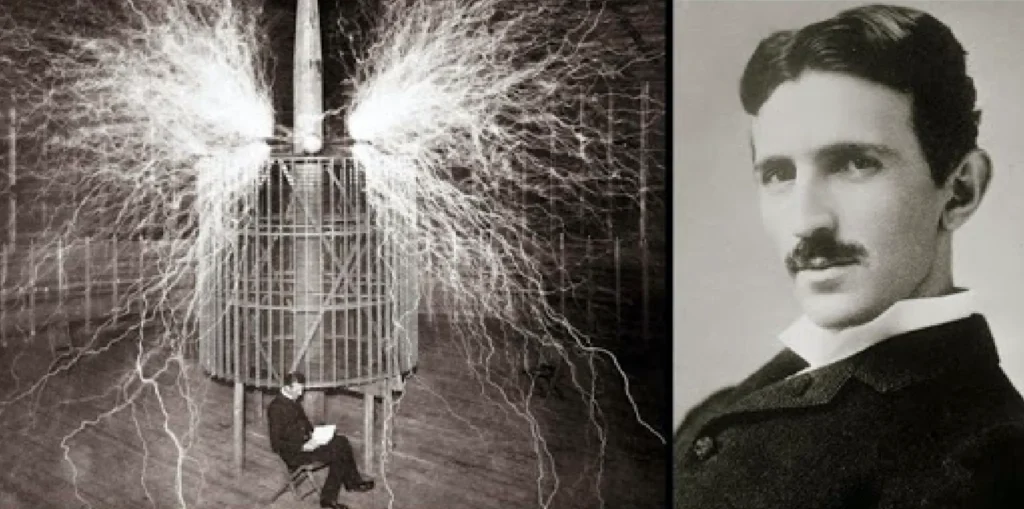
Inventor Nikola Tesla built powerful electric coils and experimented with electromagnetic fields. His work inspired many later scientists who wondered how these fields affect living things.
1940s to 1970s: Russian scientists lead the way
Scientists in the Soviet Union (the group of countries led by Russia at the time) took magnetic therapy seriously long before most of the world. In the 1940s and 1950s, physicist Vladimir Karmilov began some of the country’s first work on how magnetic fields affect the body. (Read more here: Saratov State University)
By the early 1970s, Soviet engineers had built a low-frequency magnetic therapy machine called the Polyus-1. A Soviet medical technology journal described it in 1973. The US government thought it was important enough to translate the report into English in 1974. (Read more here: US Government Monthly Catalog)
Soviet doctors used magnetic devices to help patients recover after surgery. They also used them for swollen legs, varicose veins and joint pain. Therapy machines were everywhere: in hospitals, health resorts and even schools and factories. (Read more here: History of Physio)
Russian engineers kept releasing new Polyus machines right up to the early 1990s. (Read more here: PubMed)
1970s: Fixing bones that wouldn’t heal
Meanwhile in New York, Dr Andrew Bassett was working on a stubborn problem. Bassett was a bone surgeon at Columbia University. Some broken bones never knit back together, even after months in a cast. Doctors call these non-union fractures.
Bassett teamed up with engineer Arthur Pilla and researcher Robert Pawluk. They developed a special pulsing signal that could be placed over the broken bone from outside the body. No surgery needed. They published their first results in 1974. Vets had already been using similar fields to help racehorses with broken legs.
1979: The FDA approves PEMF
In 1979, the US Food and Drug Administration (FDA) approved the first PEMF device for treating broken bones that hadn’t healed on their own. It was called the EBI Bone Healing System. (Read more here: PMC)
Doctors still prescribe PEMF bone stimulators today. In 2004, the FDA approved another PEMF device to help neck bones join after spinal surgery. Later, the FDA also cleared PEMF devices to ease pain and swelling after operations.
2003: NASA puts PEMF to the test
Space is tough on the human body. Without gravity, astronauts lose bone and muscle. So NASA scientists have spent decades looking for ways to protect, grow and repair the body’s tissues.
At NASA’s Johnson Space Center in Houston, Dr Thomas Goodwin led a study on human nerve cells growing in the lab. His team surrounded some of the cells with a gentle, pulsing electromagnetic field. Those cells grew 2.5 to 4 times faster than cells without the field. They also formed more organised, tissue-like shapes. NASA published the results in 2003. (Read more here: NASA Technical Reports Server)
NASA also patented the method, naming Goodwin and astronaut David Wolf as inventors. (Read more here: NASA patent) A later NASA project planned to test the same idea on bone, cartilage and blood vessel cells. (Read more here: NASA Technical Reports Server)
These experiments took place in lab dishes. They gave scientists strong clues about how living cells respond to PEMF and they helped spark the wide interest in PEMF we see today.
Your body runs on electricity
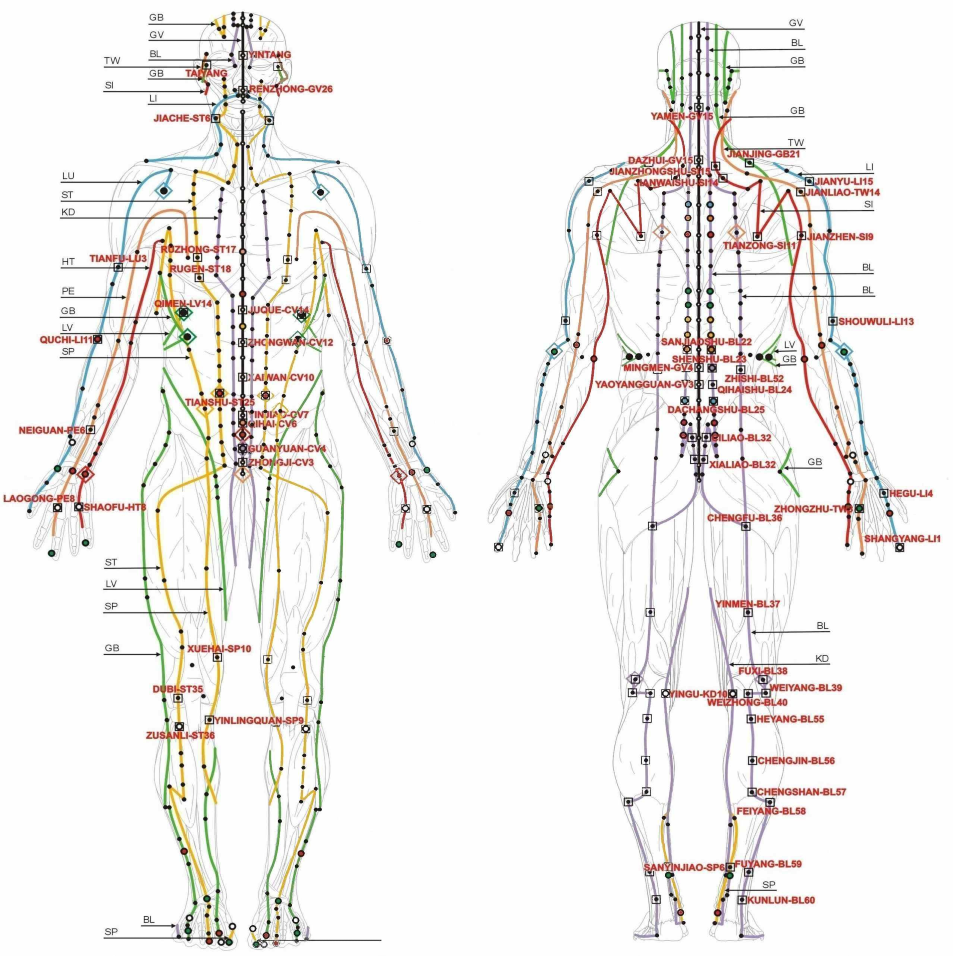
Something to keep in mind… Your body is electric.
Every heartbeat starts with a tiny electrical signal. Every time you blink, wiggle your toes or kick a ball, a nerve sends an electrical message to a muscle. Your brain holds about 86 billion nerve cells. They pass electrical signals to each other all day and all night.
When these signals work well, you never notice them. When they go wrong, you feel it. Think of tingling, numbness or pain that won’t switch off. That’s why scientists are so interested in tools that work with the body’s electrical system.
How PEMF works with your cells
Every cell is a tiny battery
Each of your cells works a bit like a tiny battery. The inside carries a slightly different electrical charge from the outside. Cells keep this charge by pumping tiny charged particles, called ions, in and out.
The cell’s outer skin, called the membrane, has little gates in it. When the gates open, ions rush through. This is how nerves send messages and how muscles know when to squeeze.
Where PEMF comes in
Stress, injury and wear and tear can push a cell’s electrical balance off track. Scientists believe PEMF’s pulsing field gives ions and gates a helpful nudge. This may help cells get back to their normal, healthy state sooner. Researchers also think PEMF may help blood vessels relax and help calm inflammation.
Scientists are still working out every detail of how this happens. The good news is that clinical studies already show real benefits. That’s what the next section covers. (For a deeper dive, read about bioelectricity here: Britannica)
The benefits of PEMF: what the research shows
PEMF has more research behind it than most wellness technologies. Here are the areas where studies have found real benefits.
1. Helping broken bones heal
This is PEMF’s oldest and best-known use. In studies of bones that wouldn’t heal, PEMF helped between 68% and 90% of them heal, depending on the bone. A large study of 1,382 patients across the US linked PEMF to faster healing. (Read more here: PMC)
2. Easing knee pain
Osteoarthritis is wear and tear inside a joint. It’s one of the most common causes of knee pain, especially as people get older. A 2025 review combined the results of many well-designed trials. It found PEMF reduced pain and helped people use their knees more easily. (Read more here: PMC)
3. Soothing shoulder pain
Shoulder impingement happens when tissues in the shoulder get pinched as you lift your arm. It’s a very common cause of shoulder pain. A review of controlled trials found PEMF helped people with this problem. (Read more here: PLOS ONE)
4. Relief for sore joints and soft tissue
Soft tissue means your muscles, tendons and ligaments. A trial run across several clinics tested PEMF on many kinds of joint and soft-tissue pain. People using PEMF reported good results for their pain. (Read more here: PMC)
5. Less pain and swelling after surgery
The FDA has cleared some PEMF devices to help with pain and swelling in soft tissue after an operation. Research also suggests PEMF can support blood flow and wound repair. (Read more here: IVC Journal)
6. Supporting nerve repair
Nerves in your arms and legs can heal after damage, but slowly. A recent review looked at how PEMF may help damaged nerves regrow. This research is newer, and scientists are keen to see where it leads. (Read more here: PMC)
The big picture
Put together, the strongest evidence points to two areas. The first is bone healing. The second is less pain and easier movement in joints and soft tissue. (See how we judge the evidence: How we review wellness devices)
PEMF and grounding

Grounding, also called earthing, means touching the earth directly, like walking barefoot on grass or sand. People believe it lets the body swap electrical charges with the ground and helps keep its natural electrical balance.
Many practitioners describe PEMF as an amplified version of the same effect. You can use it whenever you like, at the strength you choose. No need to wait for a sunny day and a patch of grass. Read more in our grounding and earthing guide.
Who should check with a doctor first
PEMF is gentle, but it isn’t right for everyone. Talk to your doctor before using PEMF if any of these apply to you:
- You have a pacemaker or other implanted device. Any device that makes an electromagnetic field could interfere with the electronics inside a pacemaker or defibrillator. This caution applies to many electromagnetic devices, and it matters enough to check first.
- You’re pregnant. Nobody has properly studied PEMF during pregnancy yet. There’s no evidence of harm, but without research the safe choice is to wait.
- You have epilepsy. Some experts think electromagnetic fields might affect people who are prone to seizures. The evidence is limited, but it’s worth taking seriously.
Common questions
Does PEMF hurt?
No. Most people feel nothing at all. Some notice a mild tingle or warmth at higher settings. PEMF doesn’t make your muscles twitch or jump.
How soon will I notice a difference?
Everyone is different. Some people notice something after their first session. For others it takes longer. Higher strength isn’t always better. Lower settings tend to feel calming, which makes them good before bed. Higher settings can feel more energising.
Can I use PEMF every day?
For most healthy adults, yes. Most PEMF devices are designed for daily use. Follow your device’s manual for how long and how often to use it.
Is PEMF the same as a magnetic bracelet?
No. A magnetic bracelet has a field that stays the same. A PEMF field keeps pulsing and changing. Researchers believe that pulsing is what makes the difference to your cells. The two have separate research behind them. (Read more in our guide to static and rotating magnets)
Can I use PEMF alongside other treatments?
Many people do. If you have a health condition or take medication, ask your doctor first.
Want to try PEMF for yourself?
The best way to understand PEMF is to experience it. If you’re in the Sydney area, get in touch with me to book an appointment, a visit to your workplace or a demo with friends.
Live further away? Book a Zoom call instead. We’ll talk you through how PEMF works and help you decide whether it’s right for you.