Pulsed electromagnetic field therapy, usually shortened to PEMF, is one of the better researched technologies in the frequency wellness space. It’s used in devices ranging from full body mats to handheld wands, and it is the underlying technology behind our P90, P90+ and Vitality Wand.
What is PEMF therapy?
PEMF devices generate a magnetic field that pulses at a set frequency and passes through the body. A static magnet holds one constant field. A PEMF device varies the field over time and that pulsing is the part researchers believe interacts with living tissue.
The frequency, intensity and the pattern of the pulse can all be adjusted, which is why PEMF devices range so widely in design, from clinical bone growth stimulators to consumer wellness mats and wands.
A brief history
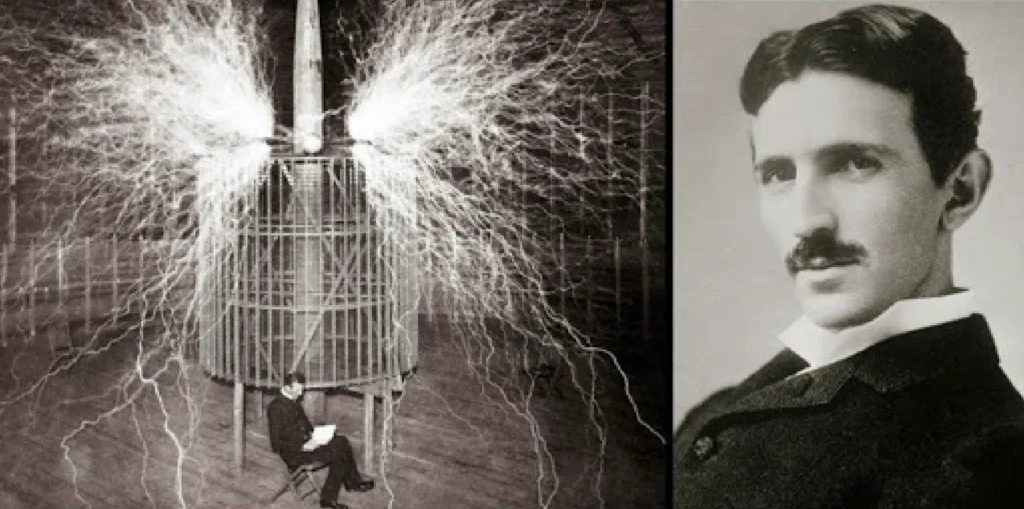
PEMF didn’t start as a consumer wellness product. Nikola Tesla’s early experiments with electromagnetic coils in the late 1800s and early 1900s laid some of the groundwork for later research into how electromagnetic fields interact with living tissue.
The technology’s modern medical history really begins with bone healing. NASA funded research into electromagnetic fields to address bone and muscle loss in astronauts during extended time in low gravity. Around the same period, in the late 1970s, the FDA cleared PEMF-based bone growth stimulators for treating fractures that had failed to heal on their own, a use that’s still in clinical practice today.
(NB: The clinical bone growth stimulators are cleared medical devices, reviewed by the FDA for that specific use. The consumer PEMF devices we carry sit in a different regulatory category. See our note on FDA registration vs. approval).
The body runs on electricity
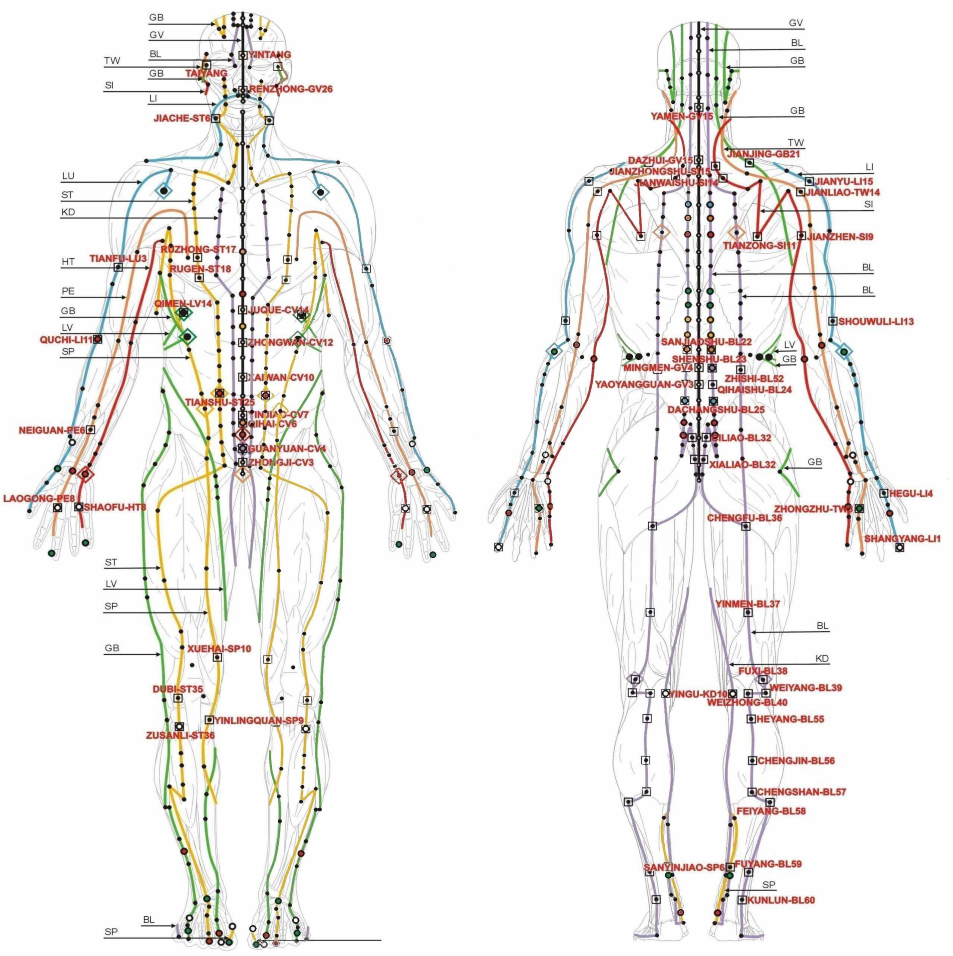
Before getting into cellular mechanisms, it’s worth stepping back to a bigger picture: your body is, in a very literal sense, an electrical system.
Every heartbeat starts with an electrical signal moving through the heart’s own conduction pathway, timing each chamber’s contraction. Every muscle you move, from blinking to walking, contracts because a nerve delivered an electrical signal telling it to. Your brain runs on electrical activity too. Thought, memory and coordination all depend on billions of neurons firing electrical impulses to each other, constantly.
You can see how essential this is by looking at what happens when it goes badly wrong. A stroke, for example, cuts off blood flow to part of the brain. The affected brain cells lose the ability to fire and relay electrical signals properly. That’s why a stroke can cause sudden weakness, slurred speech or loss of coordination: the electrical communication in that part of the brain has been disrupted.
The body’s electrical signaling is fundamental to how it functions. It’s not a minor detail. That’s the same underlying system PEMF research is interested in at a much smaller and more everyday scale, cellular signaling rather than a medical emergency.
How does PEMF work at the cellular level?
Every living cell maintains a small electrical charge across its outer membrane. The inside of a resting cell sits slightly more negative than the outside, a difference of somewhere around 50 to 100 millivolts, maintained by the cell actively pumping sodium ions out and potassium ions in.
Embedded in that membrane are ion channels, protein structures that act like gated tunnels. They open in response to specific triggers, voltage changes, mechanical pressure or chemical signals. When open, a single channel can pass tens of millions of ions per second. In nerve and muscle cells specifically, this is how a signal actually travels: a trigger opens sodium channels, the membrane’s charge flips locally and that flip cascades down the cell as a traveling electrical impulse, sometimes at speeds over 300 feet per second. That’s what a nerve impulse and a muscle contraction physically are.
The working theory behind PEMF is that a pulsing magnetic field influences this same electrical activity, supporting the normal signalling and ion exchange that healthy cells depend on. Some researchers describe this as helping cells return to their normal resting state more efficiently after stress or injury. This is still an active area of research, and the exact mechanism isn’t fully settled. What’s better established is the clinical outcome data, which is where most of the evidence actually sits, and which we cover in detail below.
The nervous system and electrical signaling
The nervous system is, at its core, an electrical network. Every sensation you feel, every reflex, every signal your brain sends to a muscle, travels as an electrical impulse along a nerve cell. When that signaling is working well, it happens so fast and so reliably that you never notice it at all.
When nerve signaling isn’t working well, the effects show up in familiar ways: numbness or tingling, pain signals that fire when they shouldn’t, weaker or slower reflexes or muscles that don’t respond the way they used to. These are common complaints, and conventional medicine has real tools for many of them, but a lot of that toolkit is chemical. They are medications that change how nerves fire or how pain is processed, rather than addressing the electrical signaling itself directly. The bioelectric side of nervous system function is a newer and less mainstream area of research and treatment focus by comparison.
That’s the gap PEMF research sits in and it’s also where we want to be most careful. We’re not telling you a PEMF device restores or repairs nerve signaling. However, what we can point to is real, ongoing scientific interest in PEMF’s effect on peripheral nerve regeneration specifically (see the research below), and a broader field of study called bioelectricity that treats the body’s electrical signaling as a legitimate and active research area in its own right. (eg – read this overview from Britannica or the underlying cell biology from the NCBI Bookshelf). What you do with that information, and how much weight you put on it, is up to you.
What the research says
PEMF has a real body of clinical research behind it, more than most modalities in this category. A few examples worth knowing about.
Knee osteoarthritis. A 2025 systematic review and meta-analysis found PEMF therapy produced measurable improvements in pain and function for people with knee osteoarthritis, based on pooled results across multiple randomized controlled trials (Read more about it here PMC).
Shoulder impingement. A systematic review and meta-analysis of randomized controlled trials found PEMF therapy effective for shoulder impingement syndrome, one of the more common causes of shoulder pain (Read more about it here PLOS ONE).
Joint and soft-tissue pain. A prospective, multi-center randomized clinical trial evaluated noninvasive PEMF therapy across a range of joint and soft-tissue pain conditions and reported positive results for pain management (Read more about it here PMC).
Nerve regeneration. A comprehensive review looked at PEMF’s therapeutic potential for peripheral nerve regeneration, an area of ongoing research interest (Read more about it here PMC).
Taken together, the strongest and most consistent evidence sits around pain and function in joints and soft tissue. That’s a reasonable, well supported place to set expectations. (see our note on how we review wellness devices).
The grounding connection

Practitioners who work with both grounding (earthing) and PEMF often describe PEMF as an amplified version of the same underlying effect. Grounding involves direct physical contact with the earth. It’s thought to allow a transfer of electrons that supports the body’s natural electrical balance. PEMF is sometimes framed as delivering a similar kind of electrical influence, but on demand and at a chosen intensity, rather than waiting for the right conditions to stand barefoot outside.
We think that framing is a genuinely useful way to understand why PEMF resonates with people who already believe in grounding. If you want the fuller picture, including the research on grounding itself, we’ve covered that separately in our grounding and earthing guide.
Who should be cautious, and why
PEMF devices aren’t right for everyone, and it’s worth understanding the actual reasons behind each caution rather than just the list.
Pacemakers and other implanted electronic devices. Any device that emits an electromagnetic field carries a theoretical risk of interfering with the electronics in an implanted device like a pacemaker or defibrillator. This is a standard precaution across electromagnetic devices generally, not something specific to PEMF, but it’s a serious enough possibility that anyone with an implanted device should talk to their doctor before using one.
Pregnancy. PEMF devices haven’t been specifically studied for safety during pregnancy. That’s an absence of research rather than evidence of harm, but it’s exactly the kind of gap where the sensible default is caution until it’s actually been studied.
Epilepsy. There’s a theoretical concern that electromagnetic stimulation could interact with seizure threshold in someone prone to seizures. The evidence here is limited, but again, this is a precaution worth taking seriously rather than dismissing because it’s unproven.
In all three cases, the message is the same: talk to your doctor first. We cover any device-specific precautions in each individual product review as well.
Frequently asked questions
Does PEMF therapy hurt?
No. Most users don’t feel anything at all during a session, or describe a mild tingling or warmth at higher intensities. It isn’t like electrical muscle stimulation, which is designed to cause a visible contraction.
How long before I notice anything?
This varies enormously by person and by what you’re using it for so we’re not going to give you a specific timeline. Each individual can expect their own unique results. Some people report noticing something after the first session. For others it takes longer. Some are sensitive to the intensity thresholds and some can cope with a broader range of intensities. (That’s not to say the higher intensity is the goal. Use the lower levels of intensity for calming before bed and micro healing. Higher levels can often be felt as stimulating.)
Is it safe to use every day?
For most healthy adults, yes, daily use is common and is how most PEMF devices are designed to be used. Follow the specific device’s manual for recommended session length and frequency.
Is PEMF the same as a static magnet, like a magnetic bracelet?
No. A static magnet holds one constant field. PEMF devices generate a field that actively pulses and changes over time, which is the mechanism researchers believe matters for cellular effects. The research on static magnets and the research on PEMF are separate bodies of evidence and they shouldn’t be treated as interchangeable.
Can I use a PEMF device alongside other treatments?
Generally people do, but this is a question for your own doctor, especially if you have an existing medical condition or are taking medication. We’re not in a position to advise on interactions with your specific treatment plan.
Explore our PEMF devices
We carry three PEMF devices, each suited to a different use case: P90, P90+ and the Vitality Wand. Each review walks through the specs, the research, and an honest comparison against similar devices on the market. Contact us to enquire about a Zoom call, an office visit, or a group demonstration.